Environment & Waste blog: Reflecting on ‘The Role of Local Authorities in Managing Water Resources’ webinar
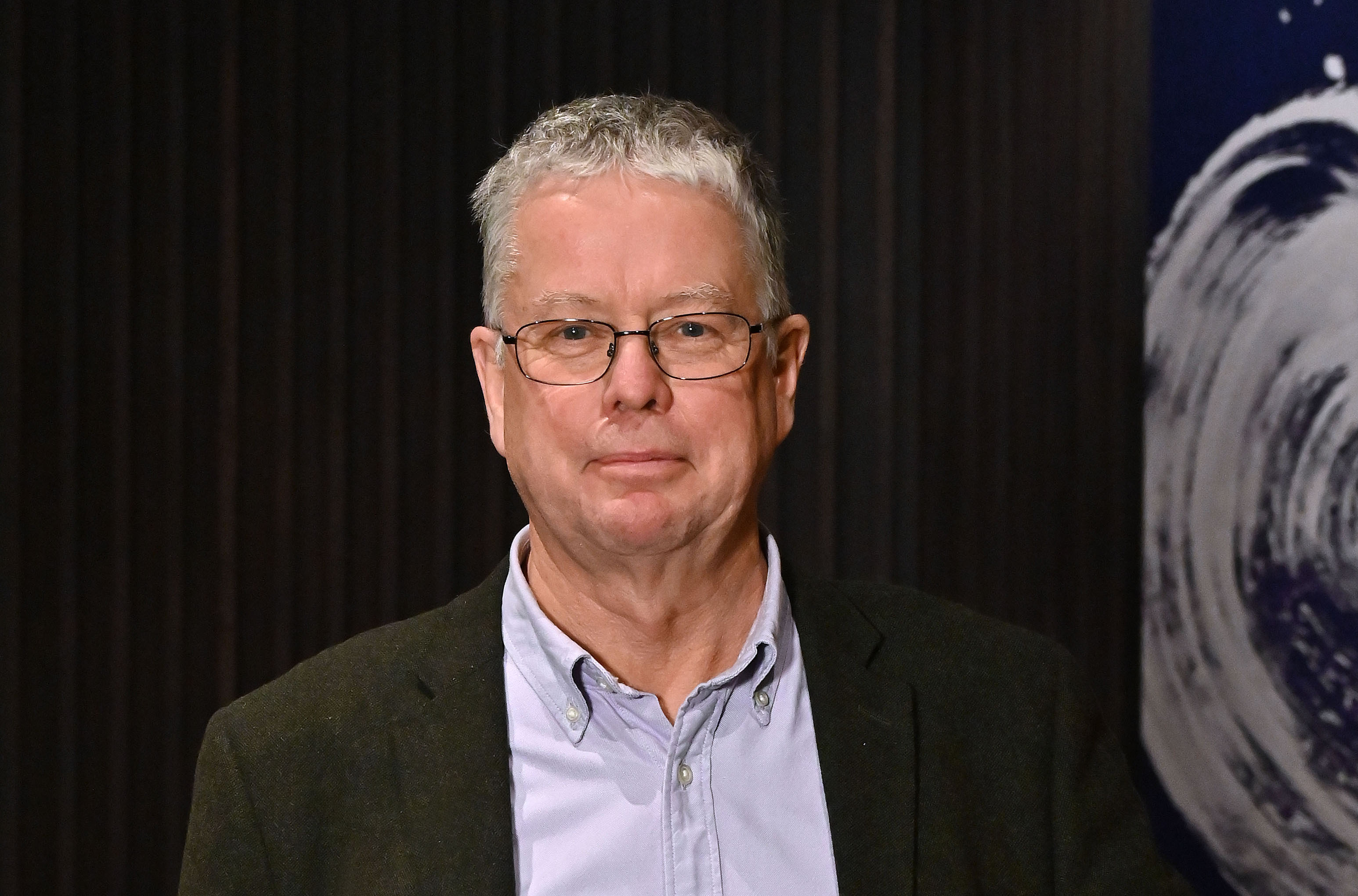
David Dale, ADEPT Policy Officer, discusses the recent ADEPT webinar chaired by Carolyn McKenzie, Chair of the ADEPT Environment Board and Director of Environment and Planning at Surrey County Council. Bringing together speakers from Defra, MHCLG, Water Resources South East, Water Resources East and Norfolk County Council, the event explored the growing role of local and strategic authorities in managing water resources and why water, in all its forms – too much, too little, too dirty - is rapidly becoming one of the defining place leadership challenges of our time.
After a summer marked by prolonged hot weather, very little rainfall, record-breaking heatwaves, wildfires and widespread hosepipe bans, it would be easy to forget that many parts of the country entered the year still experiencing one of the wettest winters in recent memory.
Across England, local authorities are increasingly having to deal with the consequences of both extremes: flooding from intense rainfall and growing pressure on water supplies during periods of drought.
Against this backdrop, ADEPT's recent webinar on The Role of Local Authorities in Managing Water Resources was timely indeed. The session was designed to help local authority place leaders build a shared understanding of their evolving role in managing water supplies and building resilience while at the same time, responding to planning reform, climate pressures and wider environmental demands.
Opening the webinar, Carolyn McKenzie highlighted the importance of water as a strategic issue that cuts across planning, economic growth, climate resilience and environmental recovery. The discussion that followed made it clear that water can no longer be viewed as a standalone environmental concern.
It is increasingly becoming a fundamental consideration in decisions about housing, infrastructure, transport and place making.
A once in a generation opportunity
Harry Leeder from MHCLG stressed the links between water management, planning reform and future growth. As Spatial Development Strategies and wider planning reforms take shape, water availability, wastewater capacity, drainage and flood risks will need to be considered much earlier in the planning process.
This creates an opportunity for more joined up decision making and better alignment between growth ambitions and infrastructure capacity.
Emma Donnelly from Defra outlined the government's emerging vision for regional water planning and regulation. While elements remain under development, she described a once in a generation opportunity to reform England's water system through better integrated planning and decision making. Regional water planning is intended to address what has been described as the "missing middle" between national policy and local delivery, bringing together a wider range of partners to identify shared priorities and develop solutions across catchments and regions.
Water management and future growth
A key message was the importance of local authority involvement. Workshops held across England have consistently highlighted the need for councils to help identify local priorities and shape regional decision making. Pilot regional partnerships are now being established, creating opportunities to test how local authorities can influence water planning more effectively.
The scale of the challenge was brought into sharp focus by Meyrick Gough, Managing Director of Water Resources South East (WRSE). He explained that the South East is already classified as an area under serious water stress despite supporting millions of residents and businesses. Average rainfall is significantly lower than the national average and demand for water continues to grow.
Tackling shortfalls
Looking ahead, WRSE forecasts a regional water shortfall of 2.7 billion litres per day by 2075, equivalent to more than half of the water currently supplied on an average day. Population growth, climate change and environmental requirements are all contributing to the challenge.
Importantly, Meyrick stressed that new infrastructure alone will not solve the problem. A dramatic reduction in demand must also play a major role. Measures such as water efficient design, smart metering, tighter standards in new developments, rainwater harvesting and grey water reuse will all be needed to build long term resilience.
One particularly striking statistic illustrated the scale of the task ahead. Missing water consumption targets by just one litre per person per day across the South East would require the construction of another reservoir the size of Havant Thicket to make up the difference. Havant Thicket is currently under construction in Hampshire and is the first new reservoir to be built in Britain for over 30 years.
Stronger partnerships
Daniel Johns, Managing Director of Water Resources East (WRE), demonstrated how regional collaboration can help address these challenges. He described WRE's approach to bringing together water companies, local authorities, agriculture, environmental interests and regulators through a shared governance structure. The organisation is developing regional datasets, planning tools and catchment based approaches that help all partners understand both the pressures and the opportunities.
His presentation highlighted the interconnected nature of water management. Issues such as groundwater sustainability, water quality, nutrient pollution, abstraction reform and future growth cannot be tackled in isolation. Instead, they require integrated planning across sectors and geographies that reflect how water systems actually function.
Wendy Brooks, Head of Environment at Norfolk County Council and Non Executive Director of Water Resources East, brought these themes to life through the Norfolk and Suffolk Integrated Water Action Plan. Located in one of the driest parts of the UK, the region faces growing challenges including limited water availability, declining water quality, increased flood risk, coastal salinity and pressure from competing demands.
The plan seeks to align infrastructure, policy and innovation around sustainable growth, environmental resilience and climate adaptation. Wendy highlighted how water scarcity can act as a direct constraint on economic growth, inward investment and housing delivery. At the same time, better water management can support healthier communities, stronger ecosystems and greater resilience to climate change.
She also showcased the Norfolk Water Fund, an ambitious programme focused on solutions that are nature based. Through interventions such as floodplain restoration, habitat creation, improved soil management and natural flood management measures, the fund aims to address water security challenges while delivering wider environmental and economic benefits. Analysis suggests that every £1 invested generates £6.70 in benefits through improved water resources, enhanced habitats and support for sustainable growth.
Moving forward with purpose
The webinar concluded with a panel discussion involving all the speakers and John Curtin, President of CIWEM.
Before the panel discussion, John reflected on the importance of partnership working in tackling water challenges. He highlighted the need for organisations to work across traditional boundaries, bringing together local government, water companies, regulators and environmental partners to develop shared solutions and build long term resilience.
A consistent theme emerged throughout the conversation: water is no longer simply an environmental issue. It is a strategic growth issue, a resilience issue and a place leadership issue.
For local and strategic authorities, this means moving beyond the role of consultee and becoming an active partner in shaping the future of water management. As pressures from climate change, population growth and environmental recovery continue to increase, integrated planning, stronger partnerships and better use of data will be essential.
The challenge is undeniably significant, but so is the opportunity. By bringing together water, housing, transport, nature recovery and climate ambitions, local authorities can help create places that are better prepared for the future.
Further information
- See the PowerPoint presentation for further details.
Author
- David Dale is an ADEPT Policy Officer.